Randy Steinke
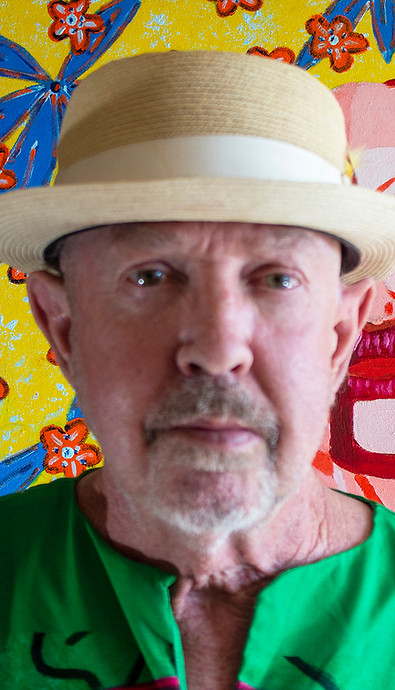
Randy Steinke is a contemporary figurative expressionist whose practice explores the dynamic relationship between shape, color, composition, and the human figure. His passion for painting emerged during his college years through studies in painting and art history. Although his artistic practice developed intermittently for many years, life’s circumstances eventually led him back to painting with renewed commitment. Today, Steinke approaches his practice as a full-time profession, continually expanding his visual language and refining his technical approach.
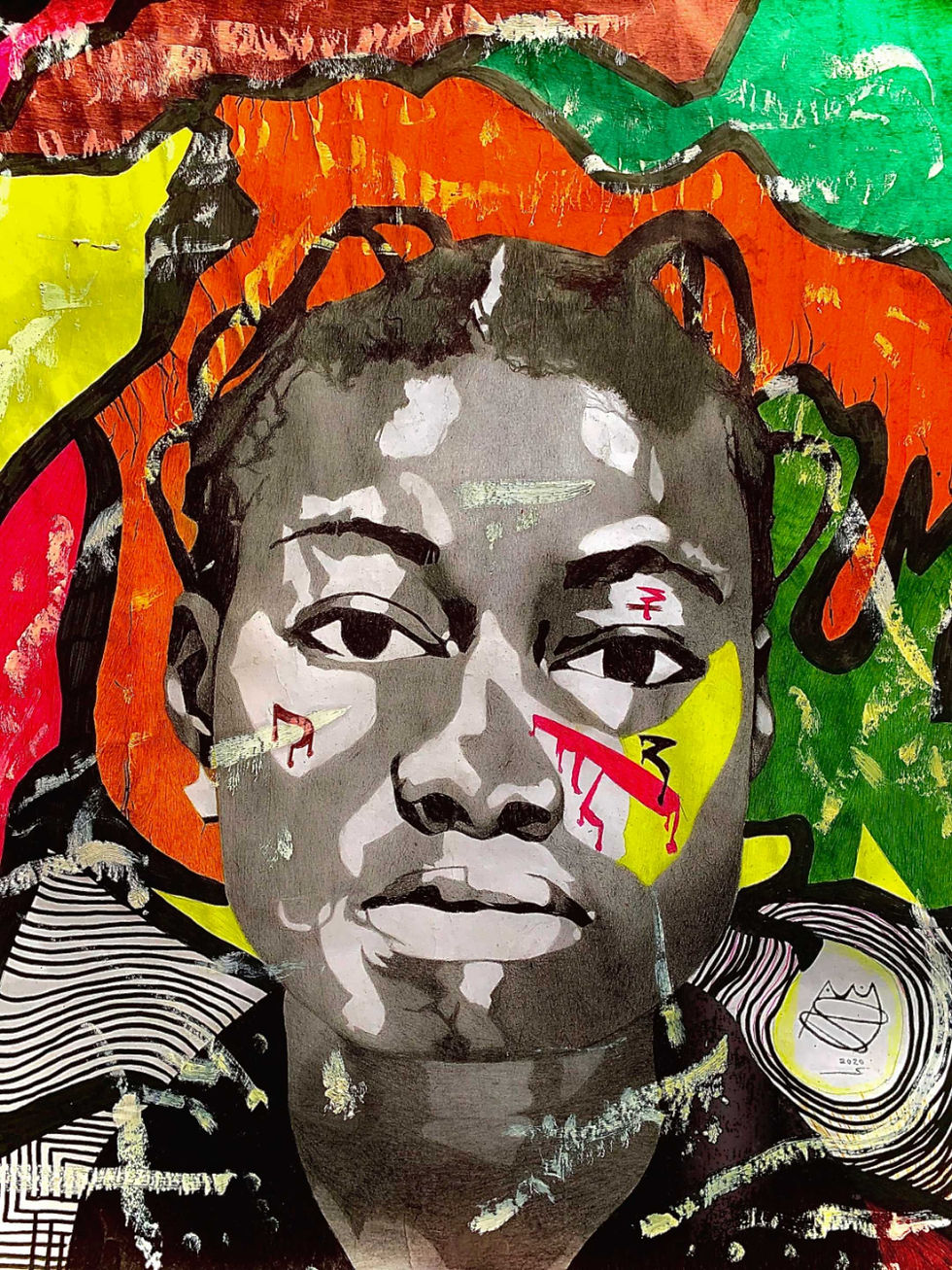
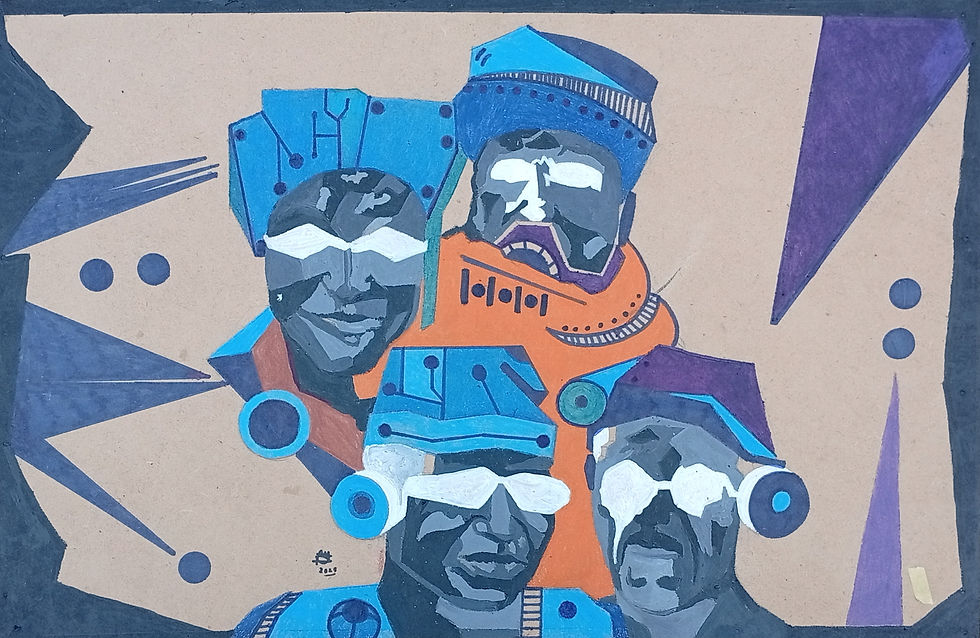
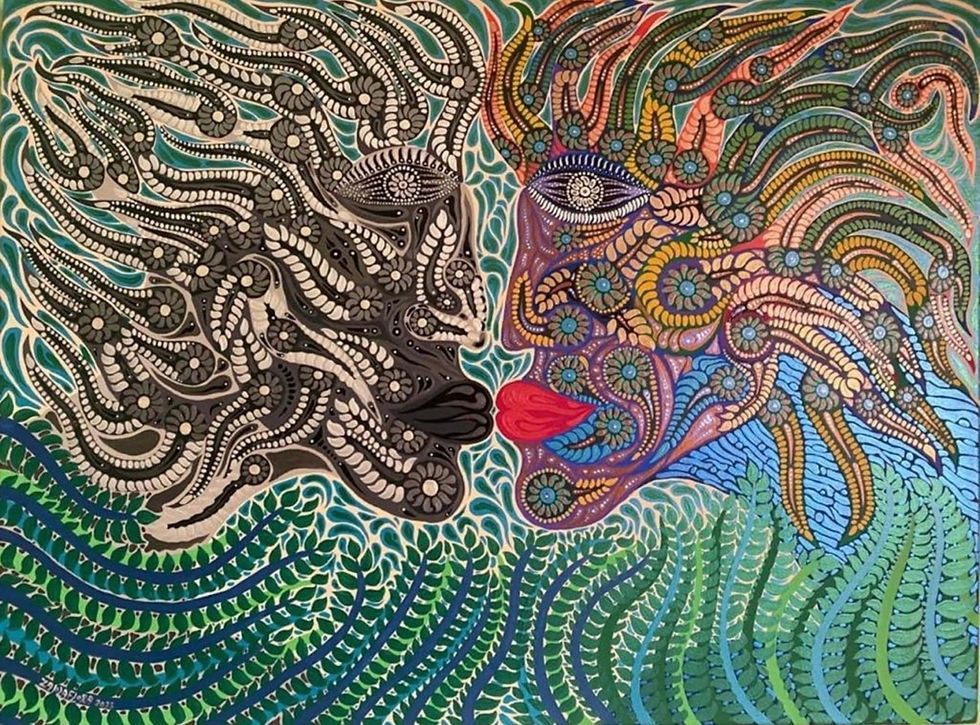
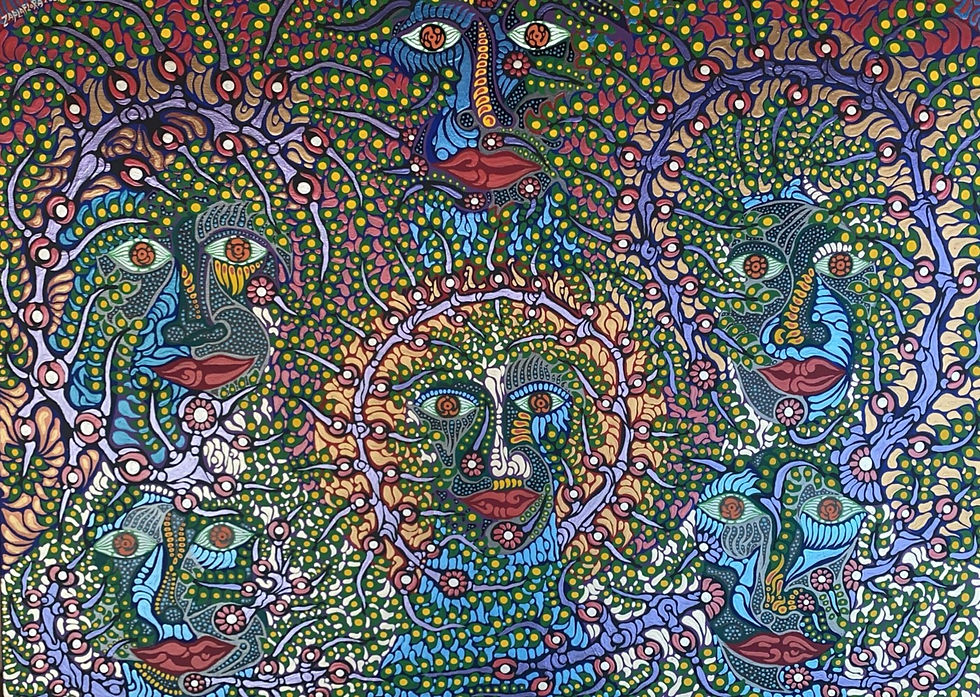
Steinke’s paintings are characterized by bold color, expressive forms, and carefully constructed compositions. Beginning with figurative subjects, he transforms observed reality into arrangements of shapes and forms that emphasize emotional presence and visual rhythm rather than literal representation. His compositions often incorporate simplified, abstract backgrounds, creating a distinctive space in which figure and environment interact through color and form.
A significant influence on Steinke’s artistic development is found in the portrait drawings and paintings of Henri Matisse. He is particularly drawn to Matisse’s sophisticated use of composition, expressive color, and complex decorative backgrounds. These influences inform Steinke’s ongoing investigation into how seemingly simple forms can create layered and compelling visual experiences.
As he continues to develop his practice, Steinke remains committed to exploring the possibilities of expressive color and figurative form. Through continual experimentation, he seeks to strengthen his technique, deepen the details within his compositions, and contribute a distinctive voice to contemporary figurative art.


Solo Exhibition — The Shape of Expression
By Sfumato
For Randy Steinke, painting is an exploration of how expression can emerge through shape, color, and composition. His work begins with the world around him, where he observes the visual relationships created by texture, light, shadow, and the human figure. Rather than simply reproducing what he sees, Steinke transforms these observations into carefully constructed compositions in which form becomes a vehicle for emotion and visual energy.
The human figure often serves as the starting point for his paintings. Working from photographs of figurative subjects, Steinke begins by studying the underlying shapes within the image. At this stage, color is secondary. His attention is directed toward the arrangement of forms and how they interact across the surface. He considers the balance, movement, and rhythm of each element, gradually building a composition that feels cohesive and intentional.
This process allows Steinke to move beyond literal representation. Although the figure remains recognizable, it is interpreted through simplified forms and expressive relationships. Shapes are given their own presence within the composition, creating a visual language that exists somewhere between figurative expression and abstraction.
Once the structure of the painting has been established, color becomes an essential part of the discovery process. Steinke does not approach color as a predetermined formula. Instead, the introduction of one color often leads naturally to another, creating a continuous exchange between individual elements. Each choice influences the next, allowing the palette to develop organically while maintaining a sense of balance.
His use of vibrant color gives the paintings their energy, while his abstract and often flat backgrounds create a space in which the figures can become particularly expressive. Rather than functioning simply as settings, these backgrounds contribute to the composition as active visual elements. They establish contrast, rhythm, and atmosphere while reinforcing the relationship between figure and form.
Steinke’s interest in this relationship is informed in part by the work of Henri Matisse, whose portraits and drawings demonstrate the expressive possibilities of composition, color, and surrounding space. Matisse’s influence can be seen in Steinke’s appreciation for bold visual decisions and complex backgrounds, as well as in his understanding that a figure can be strengthened rather than diminished when it becomes part of a larger compositional structure.
At the heart of Steinke’s practice is a willingness to experiment. Each painting becomes an opportunity to test relationships between shapes, colors, and forms. Decisions made in one work often become the foundation for the next, allowing his practice to develop through a continuous process of observation, experimentation, and refinement.
This approach gives his paintings a distinctive sense of immediacy. The viewer encounters recognizable figures, but also encounters something less tangible: the rhythm of shapes, the tension between colors, and the emotional possibilities created through composition. The figure becomes more than a subject; it becomes a point of departure for exploring how visual elements can communicate without relying entirely on narrative.
Steinke’s work ultimately demonstrates that expression can be found in the structure of an image as much as in its subject. Through the interaction of figure, shape, and color, he creates paintings that balance intention with discovery. Each composition reflects an ongoing search for greater clarity and refinement while preserving the sense of experimentation that makes the process meaningful.
For Steinke, painting is therefore not simply about depicting what exists. It is about discovering what can emerge when observation is transformed through form. In this space between recognition and abstraction, shape becomes expression, color becomes a language, and each painting becomes another step in an evolving artistic exploration.